
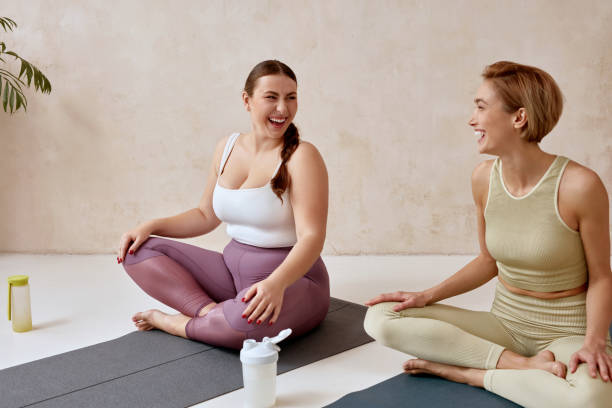
For decades, the standard first date formula meant dinner and a movie sitting across from each other, making awkward small talk, and hoping the chemistry translated over pasta. But there is a shift happening. More people are swapping the restaurant booth for a yoga mat, the cinema for a climbing wall, and the cocktail bar for a morning run. Fitness is quietly becoming the new first date, and for good reason. When you move together, you learn more about a person in 60 minutes than you might in three hours of conversation.
You See the Real Person, Not the "Dinner Date" Persona
Anyone can put on a charming facade over a candlelit dinner. It is easy to be polite, laugh at the right moments, and talk about your travel dreams when you are comfortable and fed. But put that same person on a difficult hike, a competitive tennis court, or even a beginner's yoga class, and something different emerges.
Fitness strips away the performance. You see how someone handles frustration when they cannot nail a pose. You see if they are encouraging or competitive when you are struggling. You witness their patience, their determination, and their attitude toward challenge. These are not just date qualities they are life partnership qualities. A workout date is essentially a personality test disguised as exercise.
- Notice how they treat themselves when they struggle with kindness or frustration?
- Observe if they check in on you or stay focused entirely on themselves.
- The way they handle physical discomfort often mirrors emotional resilience.
Chemistry Is Physical So Test It Physically
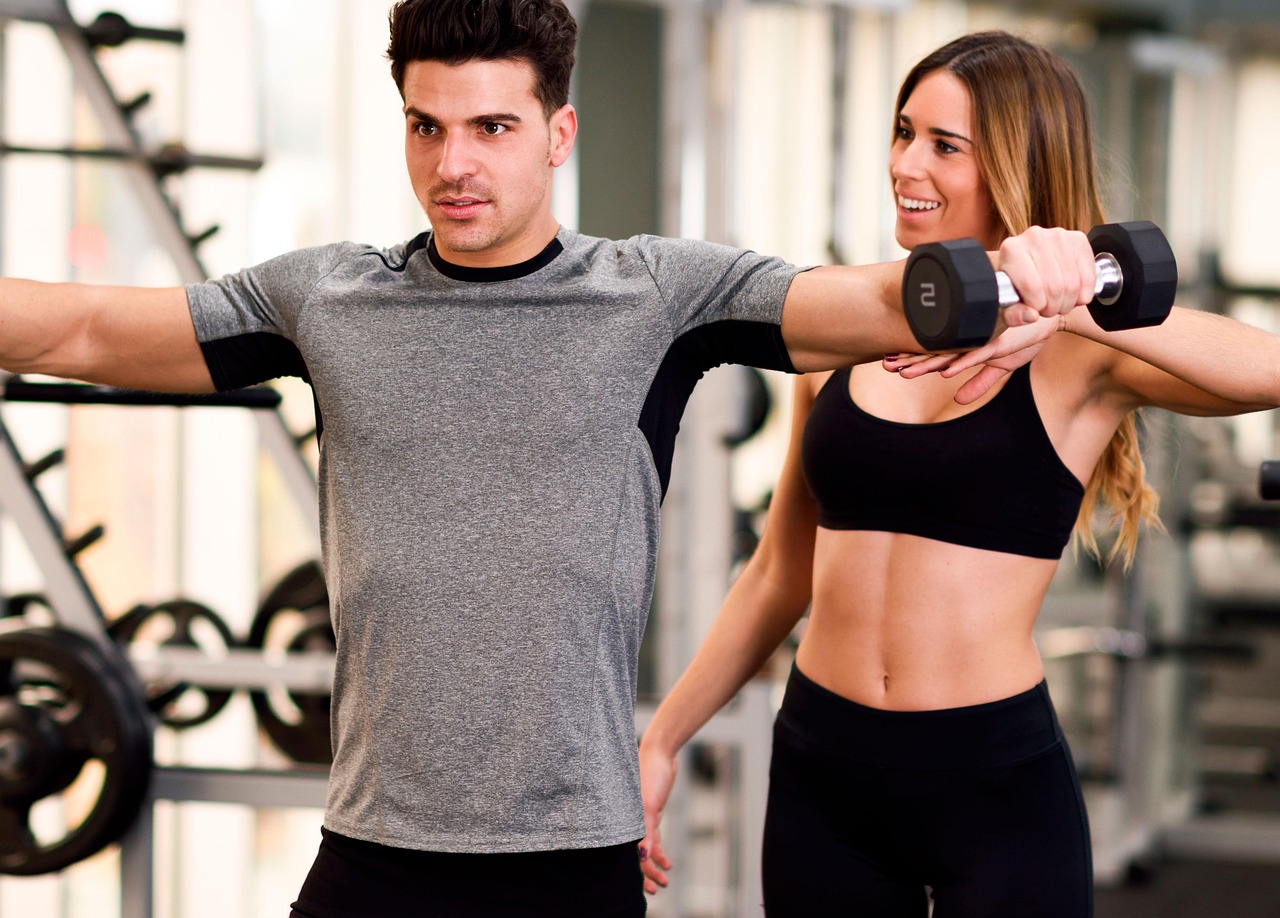
Romantic chemistry is not just an emotional feeling; it is also a physical one. It is about energy, body language, and how two people move in space together. When you are active with someone, you get an immediate read on whether your rhythms align. Do you naturally fall into pace with each other on a run? Do you communicate non-verbally during a climbing route? Is there ease in your movement together, or does it feel forced?
These are the same instincts that translate to the rest of a relationship. People who move well together often connect well together. A fitness date fast-forwards past the surface-level small talk and taps directly into that primal, physical knowing. You either feel comfortable in each other's space, or you do not it is better to know that on date one than date five.
The Body Knows
Pay attention to how you feel during shared activity. Relaxed? Energised? Self-conscious? Your body is giving you feedback long before your mind catches up.
"When you share a physical challenge with someone, you bypass the small talk and enter a different kind of intimacy. You are not just learning about their past you are experiencing who they are in real time."
— Esther Perel, Psychotherapist & Author
It Filters for Shared Values Instantly
One of the hardest things to gauge on traditional dates is whether someone genuinely shares your lifestyle values. People can say they "like staying active," but what does that actually mean? A fitness date removes the guesswork. If health and movement are central to your life, dating someone who does not prioritise those things will eventually create friction.
By choosing an active first date, you self-select into a pool of people who value the same things you do. You are not wasting time with someone who secretly hates mornings, dreads exercise, or thinks a long walk is excessive. You are meeting people who already prioritise movement and that alignment is the foundation of long-term compatibility.
- Fitness dates filter out mismatched lifestyles before emotions get involved.
- You learn their actual availability are they a 6 AM runner or a 10 PM gym-goer?
- Shared effort creates bonding faster than shared meals.
It Takes the Pressure Off
Let us be honest traditional first dates can be stressful. There is pressure to talk constantly, to be interesting, to fill every silence. A fitness date naturally relieves that pressure because the activity itself becomes the focus. You are not just staring at each other across a table; you are moving, breathing, sharing an experience. The conversation flows more organically because it happens in the gaps between effort.
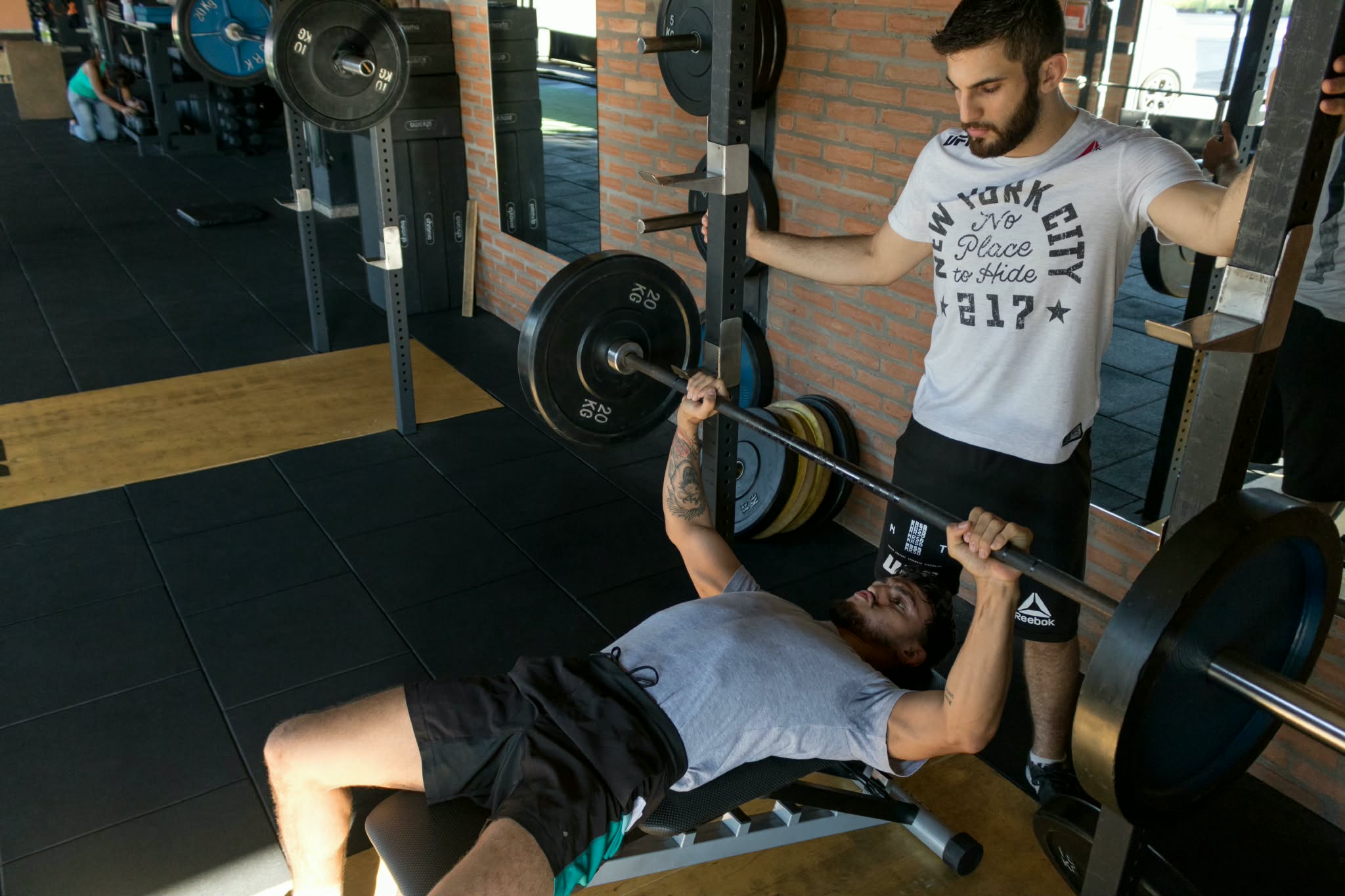
There is also something inherently bonding about shared struggle. Whether you are both out of breath from a hike or laughing at how uncoordinated you are in a dance class, those moments create connection. You are not performing for each other you are being human together. And that is far more attractive than any rehearsed date conversation.
It Gives You an Easy, No-Pressure Follow-Up
One of the most awkward parts of dating is the end-of-date question: "Should we do this again?" With a fitness date, the follow-up is built in. If the connection was there, you already have your next activity planned a longer hike, a gym session together, trying that new fitness class. The momentum is natural because you are not forcing a dinner sequel; you are continuing a shared interest.
And if the chemistry was not there? You still got a workout in. You did not waste an entire evening or an expensive meal. You moved your body, got your endorphins, and gained clarity. It is a win either way.
The Gymingle Advantage
Gymingle makes fitness-first dating simple. You already know anyone you match with values movement. The awkward "do you even exercise?" question disappears. You just plan the activity and go.
Move First, Talk Later
The dating landscape is evolving, and fitness is leading the charge. People are realising that shared sweat reveals more than shared small talk ever could. It is not about replacing conversation it is about letting genuine connection emerge naturally through movement.
Whether it is a weekend hike, a gym session, or a dance class, choosing an active first date gives you something traditional dinners never can: a real glimpse into who someone is when they are challenged, tired, and fully themselves. And honestly? That is the person you want to know anyway.
So next time someone asks you out, suggest something active. You might just discover that the fastest way to someone's heart is not through their stomach it is through their stride, their breath, and their willingness to move with you.
We have all heard that couples who play together stay together. But what about couples who learn together? There is something uniquely powerful about teaching your partner a skill you already have, or allowing yourself to be a beginner while they guide you. This dynamic the "Teach & Grow Method" builds a different kind of connection. It is not just about shared activity; it is about shared vulnerability, patience, and growth.
Teaching Creates a Natural Leadership Dynamic
When you teach someone something, you naturally step into a leadership role. But this is not about power it is about care. A good teacher pays attention to their student's pace, offers encouragement, celebrates small wins. When you teach your partner a fitness skill, you are showing them that their progress matters to you. You are investing in their growth, and that investment translates directly to emotional intimacy.
Think about it: when you guide someone through a new exercise, you are physically close, you are communicating constantly, and you are both focused on the same goal. That is a recipe for connection. The teacher feels valued for their expertise; the learner feels supported and seen.
- Teaching requires patience a quality that matters in relationships too.
- You learn to celebrate each other's progress, not just your own.
- The teacher-learner dynamic builds trust and mutual respect.
Learning Puts You in a Vulnerable, Trusting Position
Being a beginner at anything is uncomfortable. You are not good at it yet. You might look clumsy, make mistakes, or need help. In a new relationship (or even an established one), allowing yourself to be a beginner in front of your partner requires vulnerability. And vulnerability, as Brené Brown has taught us, is the birthplace of connection.
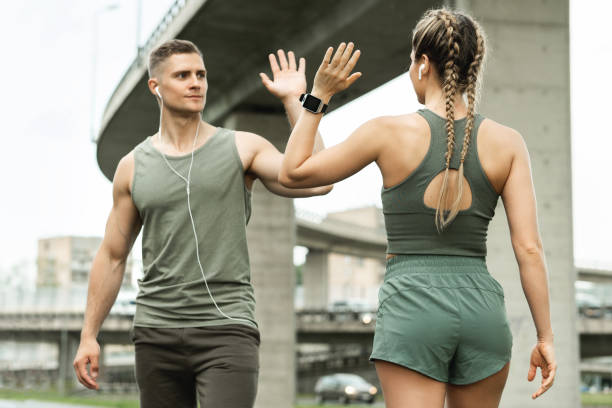
When you let your partner teach you something, you are saying, "I trust you. I am willing to look imperfect in front of you because I know you will not judge me." That level of trust is incredibly bonding. It flips the usual dynamic where we try to impress each other. Instead, you are showing up as you are unpolished, learning, growing.
The Vulnerability Loop
Your willingness to be vulnerable encourages your partner to be vulnerable too. It creates a positive feedback loop that deepens emotional intimacy.
It Creates a Shared Story of Growth
Every couple has stories. "Remember that time we got lost hiking?" "Remember our terrible first apartment?" These stories become part of your shared identity. Learning a skill together especially one that takes time and effort creates a powerful narrative arc. You both remember the day they finally nailed that lift, or the session when everything clicked.
These memories are not just nostalgic; they are proof that you can grow together. When challenges arise in other areas of your relationship, you have this history of successful collaboration to draw from. You know you can learn and improve together because you have done it before.
- Learning together adds chapters to your shared story.
- Milestones become shared celebrations.
- You build a history of overcoming challenges together.
It Balances the Relationship Dynamic
In many relationships, there can be an imbalance one person is the "expert" in one area, the other in something else. The Teach & Grow Method allows both partners to take turns being the teacher and the learner. Maybe you are the stronger climber, but your partner is a better cook. By swapping roles, you create a relationship where both people feel valued for their expertise and supported in their growth areas.
This balance prevents resentment and keeps the relationship dynamic fresh. You are not just two people living parallel lives; you are actively invested in each other's development. That is a partnership in the truest sense.
Learning Releases Bonding Chemicals
Science backs this up. When we learn something new, our brains release dopamine the feel-good neurotransmitter associated with reward and motivation. When we learn with someone we care about, that positive feeling becomes associated with them. You start to link your partner with the pleasure of achievement and growth.
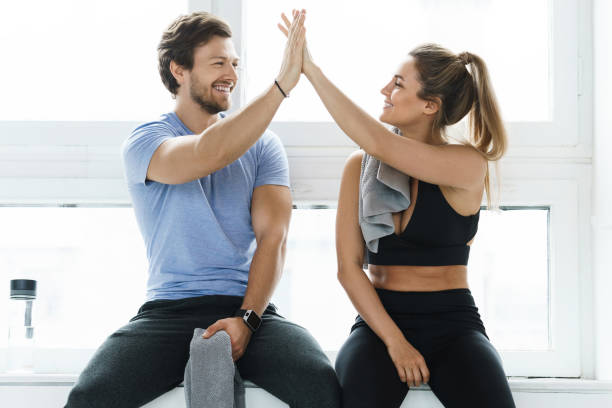
Add to that the oxytocin released during physical touch (spotting, high-fives, celebratory hugs) and the endorphins from exercise itself, and you have a potent cocktail of bonding chemicals. The Teach & Grow Method is literally wiring your brain to feel closer to your partner.
The Science of Bonding
Dopamine from learning + Oxytocin from touch + Endorphins from exercise = A relationship that is chemically reinforced.
Grow Together, Stay Together
The Teach & Grow Method is not just about fitness. It is about creating a relationship dynamic where both people feel safe to be beginners, valued for their expertise, and excited to grow together. Whether you are teaching your partner to deadlift or learning to rock climb from them, you are building something deeper than muscle you are building trust, vulnerability, and a shared story.
Gymingle was designed with this in mind. Our platform connects people who value growth, who understand that the best relationships are the ones where you keep learning together. So find someone whose skills complement yours, and start building your story today.
Because the couples who grow together, stay together.